What happens when a landscape remembers its original design?
In eastern Australia, forgotten ecosystems are being quietly coaxed back to life. The process is slower than planting trees, more complex than conservation, and far more permanent.
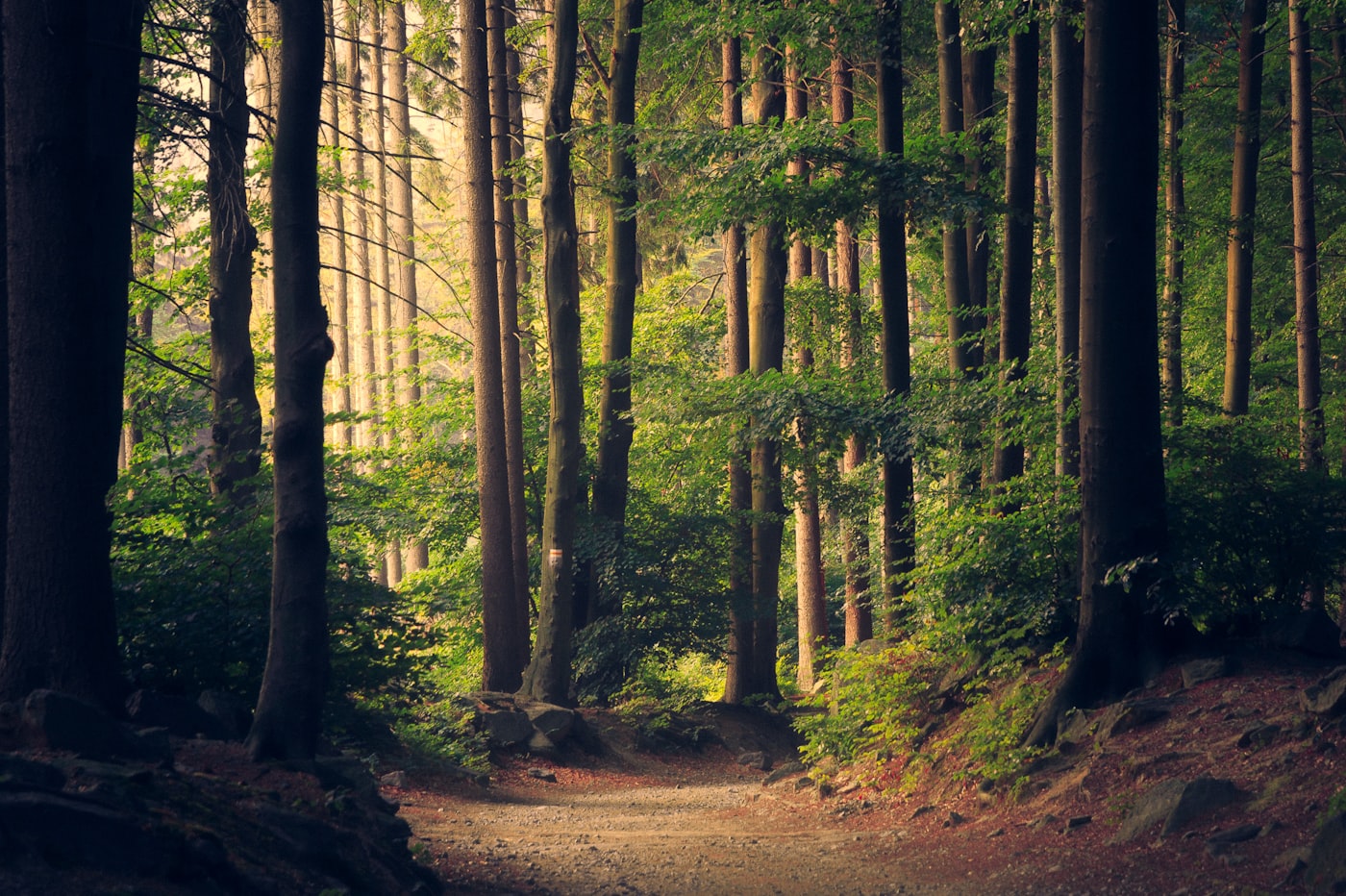
The forgotten pattern
Every ecosystem carries a blueprint. Beneath eroded soil and invasive grasses, there exists a memory of what once grew, what insects pollinated which flowers, which birds dispersed which seeds. Modern ecological science has begun to decode these patterns, revealing that restoration is not about imposing a design but about removing obstacles to what wants to return.
Studies published in restoration ecology journals demonstrate that native ecosystems, when given minimal intervention, can regenerate with remarkable fidelity to their historical composition. Research from the University of Queensland found that properly managed sites showed a 73% increase in native species diversity within just three years [1].
The challenge is not making nature grow. The challenge is understanding what has been preventing it from doing so.
Why conventional approaches often stall
Most restoration efforts focus on visible outcomes: plant this many trees, remove that invasive species, install these signs. Yet ecosystems operate as interconnected networks. A study in the Journal of Applied Ecology revealed that isolated interventions frequently fail because they address symptoms rather than systemic imbalances [2].

Soil microbiology, water flow patterns, seed bank viability, and disturbance regimes all play roles that simple planting cannot address. When these factors remain unexamined, restored sites often revert to degraded states within a decade.
A different methodology
What distinguishes effective ecological restoration is diagnostic precision. Rather than applying generic solutions, evidence-based restoration begins with soil analysis, historical vegetation mapping, and hydrological assessment. This approach identifies the specific constraints preventing natural regeneration.
Research in Conservation Biology has shown that sites receiving targeted microbial inoculation alongside native planting exhibited 89% higher survival rates compared to planting alone [3]. Similarly, understanding historical fire regimes can determine whether a site needs active management or simply protection from interference.
"We spent two years trying to establish native grasses on a degraded hillside. After soil testing revealed compacted clay layers preventing water infiltration, we adjusted our approach. Within six months, the site was regenerating on its own."
— Emily Chen, Land Management Officer, Northern Rivers CouncilWhat regeneration actually looks like
In practice, ecological restoration unfolds in stages. Initial interventions might focus on soil remediation or weed management. Native species are then introduced in assemblages that mirror natural succession patterns, not as isolated specimens but as communities.

Monitoring data collected over five-year intervals shows that properly designed sites develop structural complexity resembling mature ecosystems. Native fauna return without deliberate introduction, drawn by the re-emergence of food sources and shelter.
Specialized ecological restoration programs
Each landscape requires a tailored approach. These programs address the most common restoration challenges in Australian ecosystems.
Comprehensive Site Assessment
Detailed ecological survey including soil chemistry, native seed bank analysis, hydrological mapping, and historical vegetation profiling. Includes restoration feasibility report with specific intervention recommendations.
AUD $2,847.50
Native Ecosystem Regeneration
Guided regeneration protocol for degraded sites up to 2 hectares. Includes soil preparation, microbial inoculation, staged native planting with appropriate species assemblages, and first-year monitoring support.
AUD $8,965.00
Riparian Zone Restoration
Stream bank stabilization and riparian vegetation restoration. Addresses erosion control, water quality improvement, and aquatic habitat enhancement through strategic native planting and bioengineering techniques.
AUD $6,320.75
Invasive Species Management Plan
Multi-year strategy for controlling and eliminating invasive flora. Includes species mapping, targeted removal protocols, soil treatment to prevent regrowth, and native succession planning to fill ecological niches.
AUD $4,175.00
Biodiversity Enhancement Program
Intensive intervention designed to increase native species richness and ecosystem complexity. Incorporates habitat structural diversity, pollinator corridors, and fauna refuge zones tailored to regional biodiversity targets.
AUD $7,590.25
Long-term Monitoring & Adaptive Management
Five-year ecological monitoring program with annual assessments, vegetation surveys, soil health testing, and fauna observation records. Includes adaptive management recommendations based on site performance data.
AUD $12,430.00
Evidence from the field
Restoration outcomes are measurable. Sites managed using diagnostic-led approaches consistently demonstrate higher native species establishment, improved soil carbon sequestration, and increased resilience to climatic variation.

A meta-analysis in Ecological Applications found that restoration projects incorporating soil microbiology and hydrological management achieved structural maturity 2.4 times faster than conventional planting-only approaches [4].
"The difference was visible within the first season. Native grasses we'd struggled to establish for years suddenly thrived once we addressed the underlying soil compaction and drainage issues."
— David Kowalski, Property Manager, Southern HighlandsBegin a site evaluation
If you manage land in need of ecological restoration, a preliminary assessment can clarify what interventions may support natural regeneration. Please select a program above, then provide your contact details.
Scientific References
- University of Queensland Restoration Ecology Study (2023) - Native species diversity in managed restoration sites
- Journal of Applied Ecology - Systemic approaches to ecological restoration (2024)
- Conservation Biology - Microbial inoculation effects on native plant establishment (2023)
- Ecological Applications - Meta-analysis of restoration project timelines (2024)
Important Notice: The information presented on this site is educational in nature and not intended as professional ecological consulting or land management advice. Restoration outcomes can vary significantly based on site-specific conditions, climate factors, and implementation quality. We recommend consulting with qualified ecological professionals and relevant local authorities before undertaking restoration work. Individual results may differ from described case studies.